
Most people assume that if their classic car, boat, or RV is ever totaled, their insurance will pay them what it’s worth. Technically, that’s true.
The catch is that “what it’s worth” gets defined two very different ways; most owners don’t find out which definition applies to them until they’re staring at a settlement check that’s thousands of dollars short.
That’s the difference between agreed value and actual cash value, and for specialty vehicles, it’s often a bigger factor in your protection than the premium you’re paying.
The Difference: Payout
Actual cash value (ACV) is the default on most standard policies. When you file a claim, the insurer calculates what your vehicle was worth at the moment of the loss — think original value minus depreciation for age, wear, and market conditions. It’s the same math used for a daily-driver sedan, applied to a vehicle that doesn’t behave like one.
Agreed value works differently. You and your insurer settle on a dollar figure when the policy is written, typically backed by an appraisal, restoration receipts, or documented market comparables. This is the number you’re paid if the vehicle is a total loss. No depreciation, no negotiation after the fact.
For a car that’s expected to lose value every year, that distinction might not matter much. But for a specialty vehicle, it almost always does.
Understanding the Gap
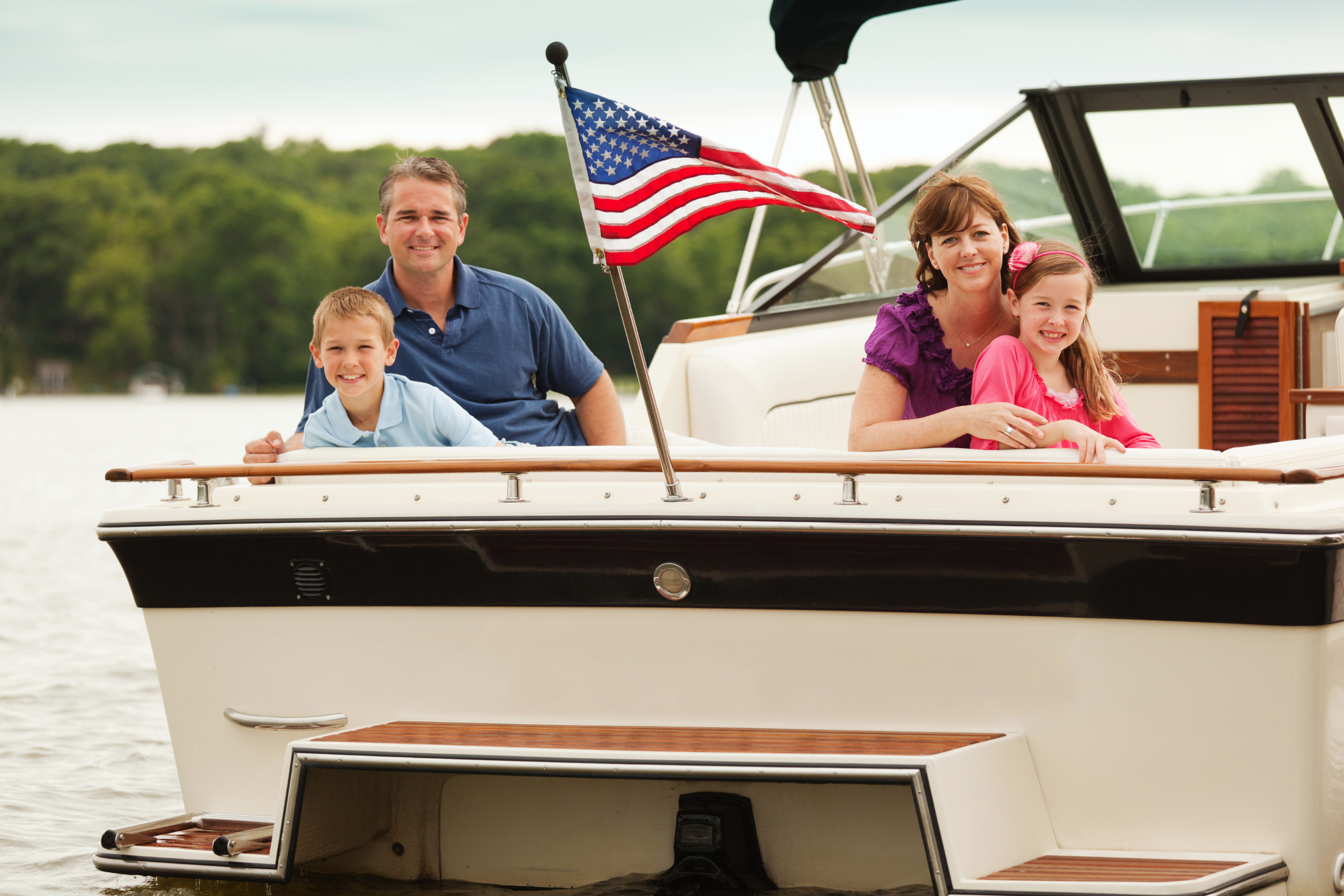
A 2018 center console boat insured for $180,000 is destroyed in a marina fire. Under agreed value, the owner is paid the full $180,000. Under actual cash value, the same boat — after depreciation of the upholstery, electronics, and outboards — settles closer to $135,000. In both scenarios, the same boat suffers the same loss. But the $45,000 difference is based entirely on which box was checked when the policy was written.
Classic cars run into the same problem from the opposite direction. A typical daily-driver starts losing value the moment it’s driven off the lot. In fact, new vehicles lose about 16% of their value in the first year alone, and by the end of year five, they’re worth roughly 45% of their original value. That steady decline is exactly the curve an ACV formula is built to calculate.
A restored or well-maintained classic doesn’t follow that curve at all. Rather than depreciating, classics typically gain value year over year as restoration work, rarity, and collector demand push the market price up. Your average ACV policy doesn’t know the difference and applies the same depreciation math either way. So a vehicle that’s appreciated in value since it was insured can still come back significantly undervalued at claim time, because the calculation assumes depreciation is happening even when the market says otherwise.
RVs and motorhomes sit somewhere in between.
They depreciate quickly like a standard vehicle, but how much that matters at claim time often comes down to how much an owner has put into the rig beyond the factory build. A basic solar setup might run $500 to $1,000, while a full off-grid system — with panels, lithium battery bank, inverter — can run between $3,000 to $8,000 or more, and that’s before considering any custom interior work or towing packages typically added for full-time use. None of that shows up in a standard ACV settlement unless it’s been specifically documented and scheduled. So the gap between what an owner has actually invested and what they’d be paid tends to widen right along with the upgrades.
What This Means When You’re Shopping for Coverage
This is the kind of gap an independent agent is expected to understand, and it’s where working with our team at Mark Weedin Insurance makes the difference long before a claim ever happens. Rather than leaving a quote’s valuation method buried in the fine print, we walk you through whether it’s actual cash value or agreed value and push the carrier toward whichever option fits your specialty vehicle — since this distinction is rarely volunteered, and rarely the same from carrier to carrier.
If agreed value is available for your classic car, boat, or RV, we’ll help you put together the appraisal or documentation of upgrades and restoration work that figure depends on, so it holds up when it matters.
Coverage isn’t something to set once and forget, either. As your specialty vehicle’s value or condition changes — a restoration, a major upgrade, a shift in the market — we revisit that agreed value figure with you instead of letting it quietly go stale. Whether you’re currently insured at actual cash value or agreed value, the team at Mark Weedin Insurance will tell you plainly where you stand and make sure every part of your specialty vehicle is actually accounted for.
Before a claim, not after!